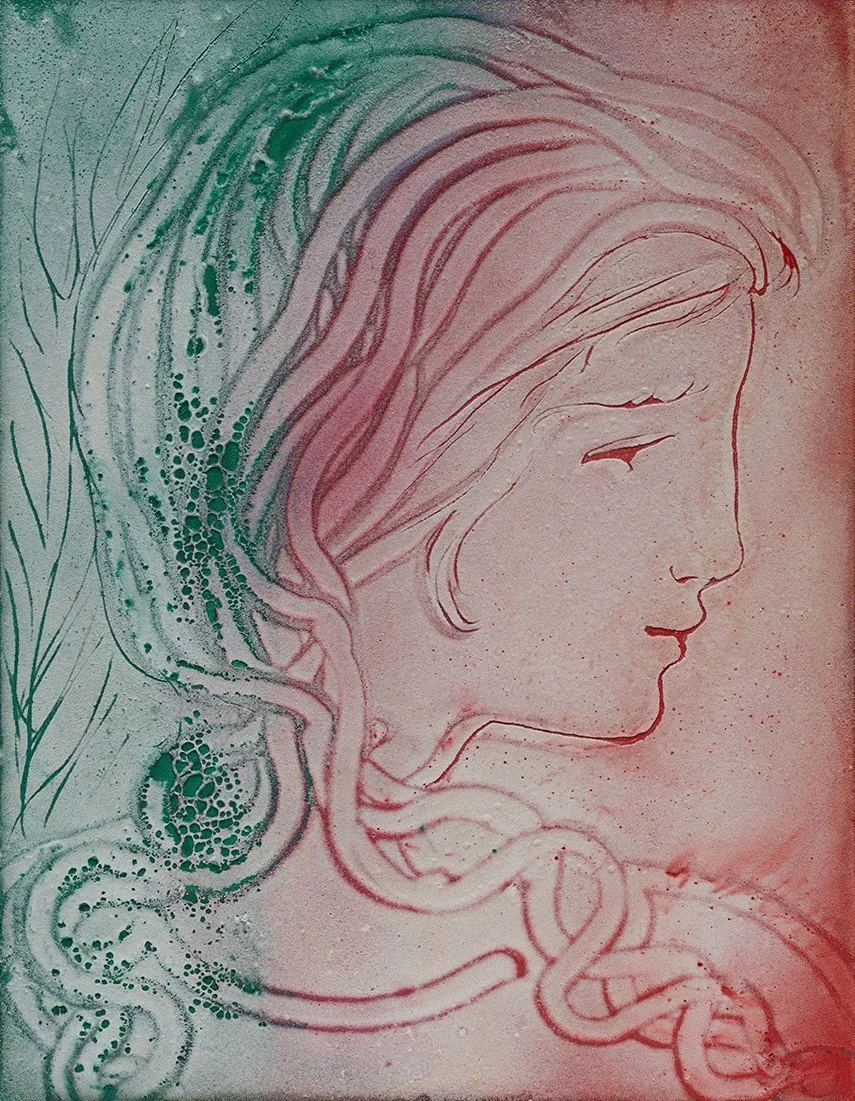
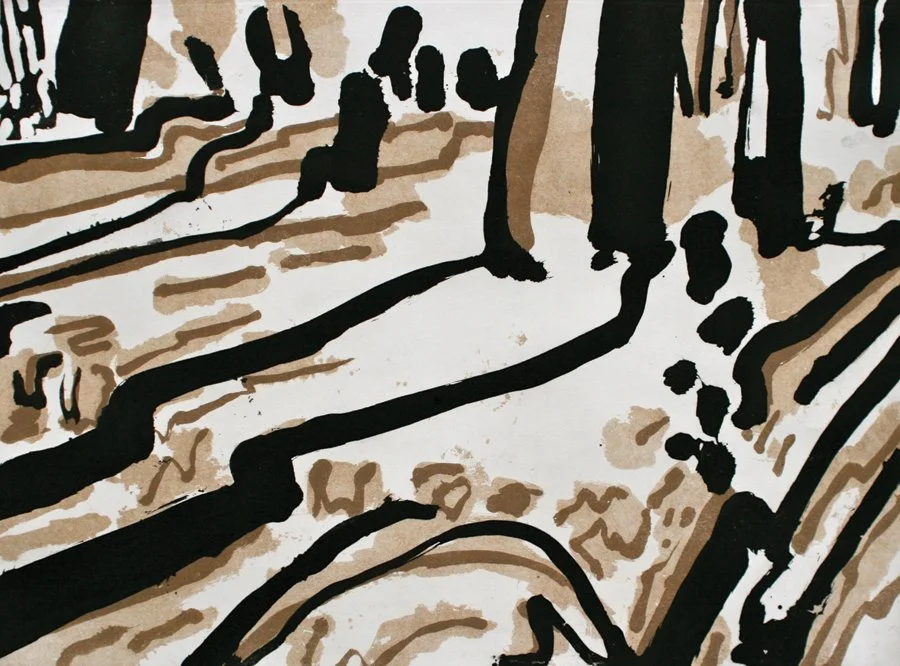
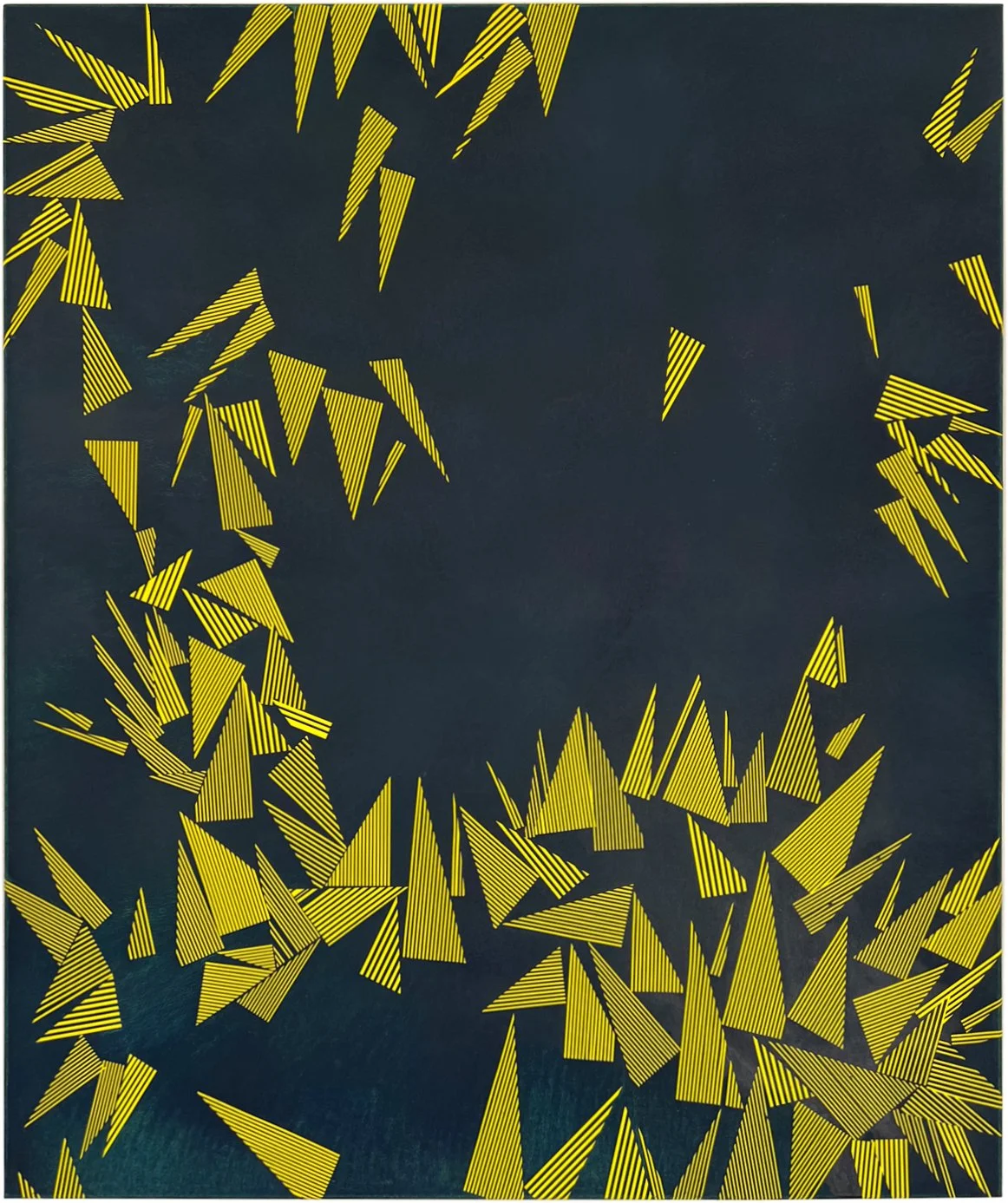
Experimental Materiality and Painting
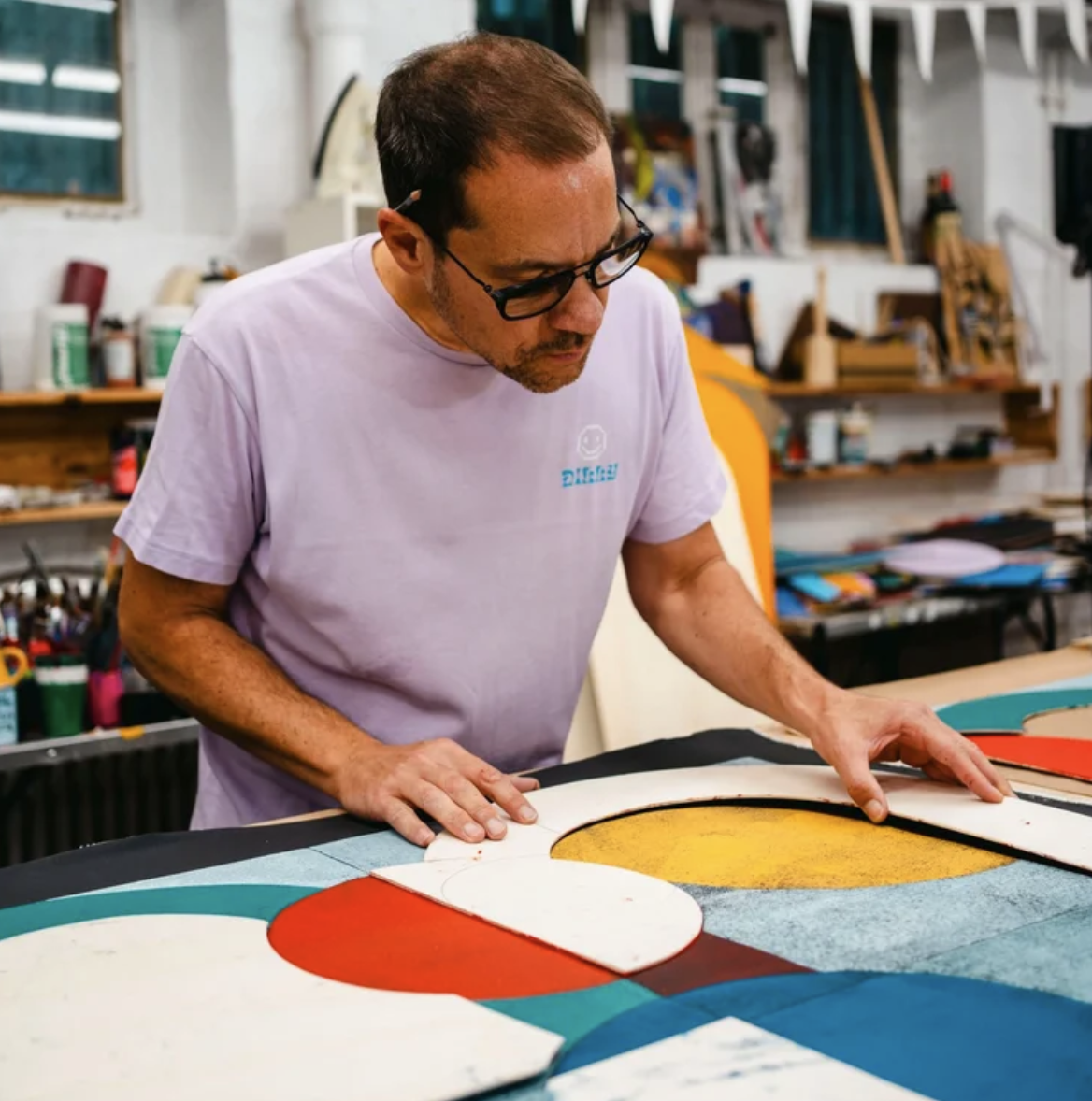
Custom Printing Technique: Artist Hendrik Zimmer setting up his woodblock prints in his Frankfurt studio.
Innovative Material Processing
For the 32nd “ Saisonstart ,” the focus is particularly on “ Exhibitions ,” which are characterized by individual artistic processes and innovative approaches to materials. Materials such as zinc, sand, and aluminum—as well as sounds—are combined with a variety of techniques, including layering, etching, and printing processes.
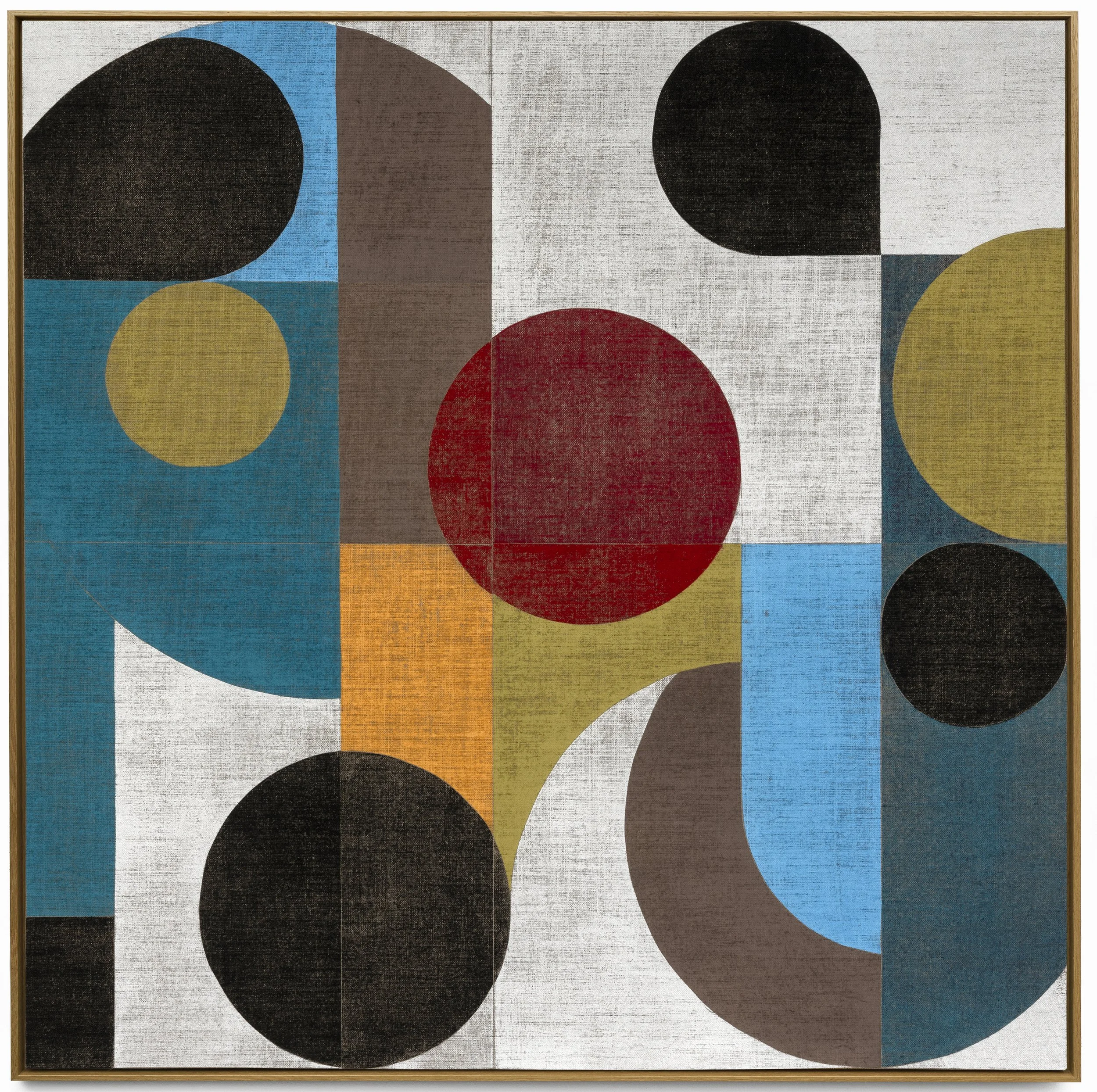
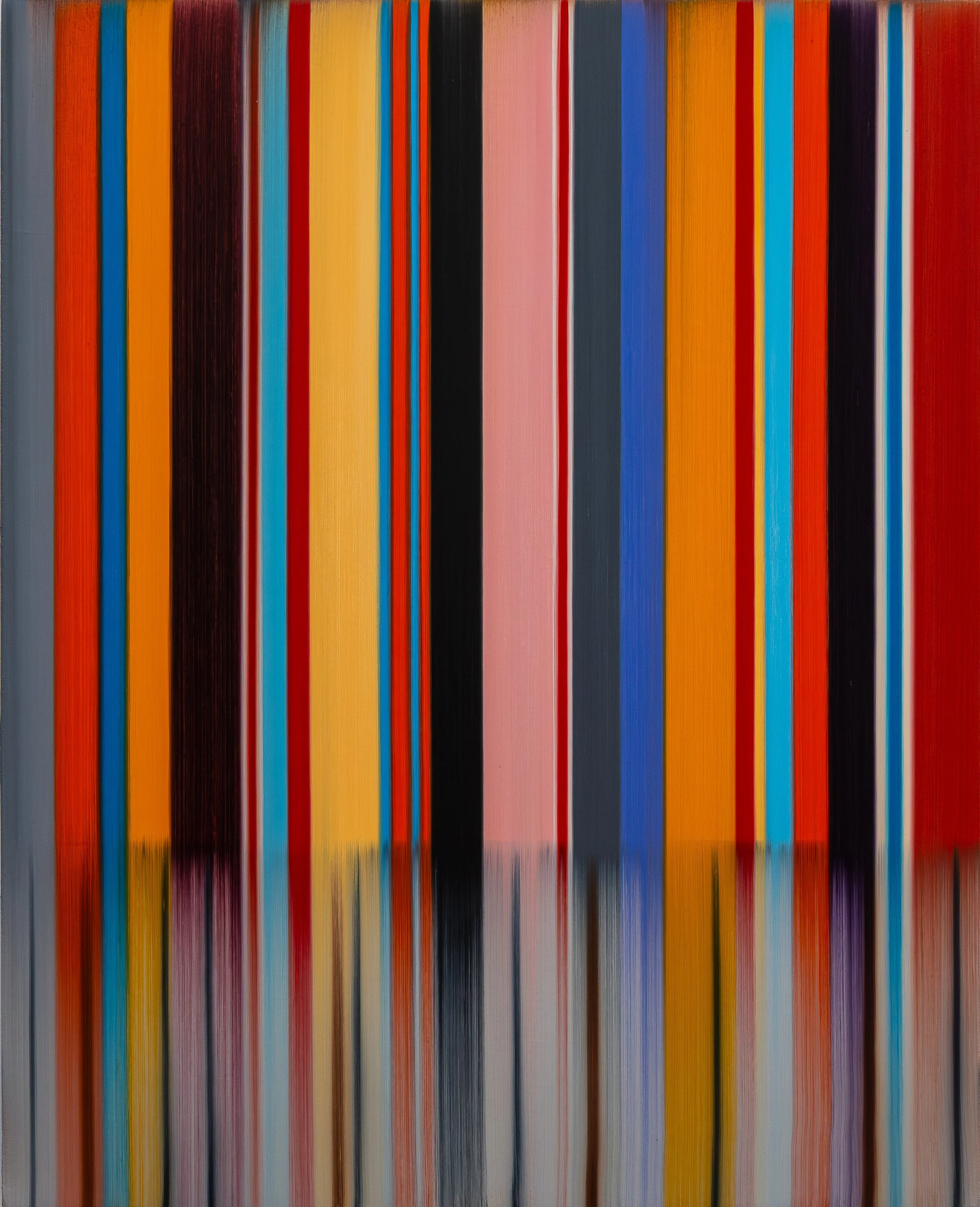
At Common Dispositions in the Heike Strelow Gallery , Frankfurt-based artist Hendrik Zimmer transfers his color woodcuts—which he has perfected over decades—from canvas to hand-knotted carpets and church stained-glass windows. A related technique is employed in the exhibition *Hast du mich vermisst?*: Using linocut, resin, and pigmented surfaces, Leipzig-based artist Anya Triestram creates Galerie Leuenroth creates a multi-layered structure of recurring elements and varying color spaces. In the exhibition “Chroma” at Bernhard Knaus Fine Art, Northern Irish artist Mark Francis translates visual-synesthetic perceptions of frequencies, tones, and resonances onto large-format canvases.
Material Worlds Between Nature and Art
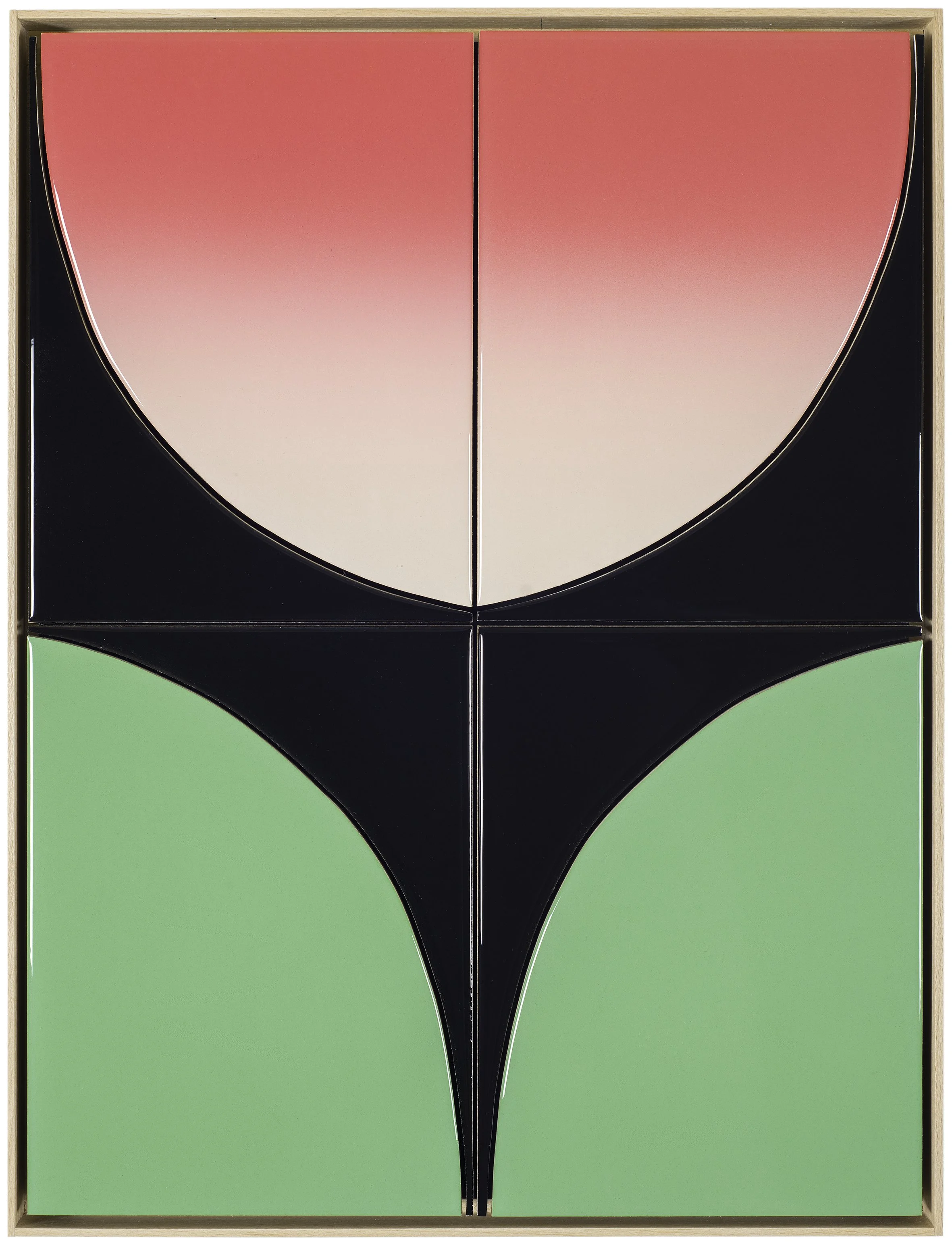
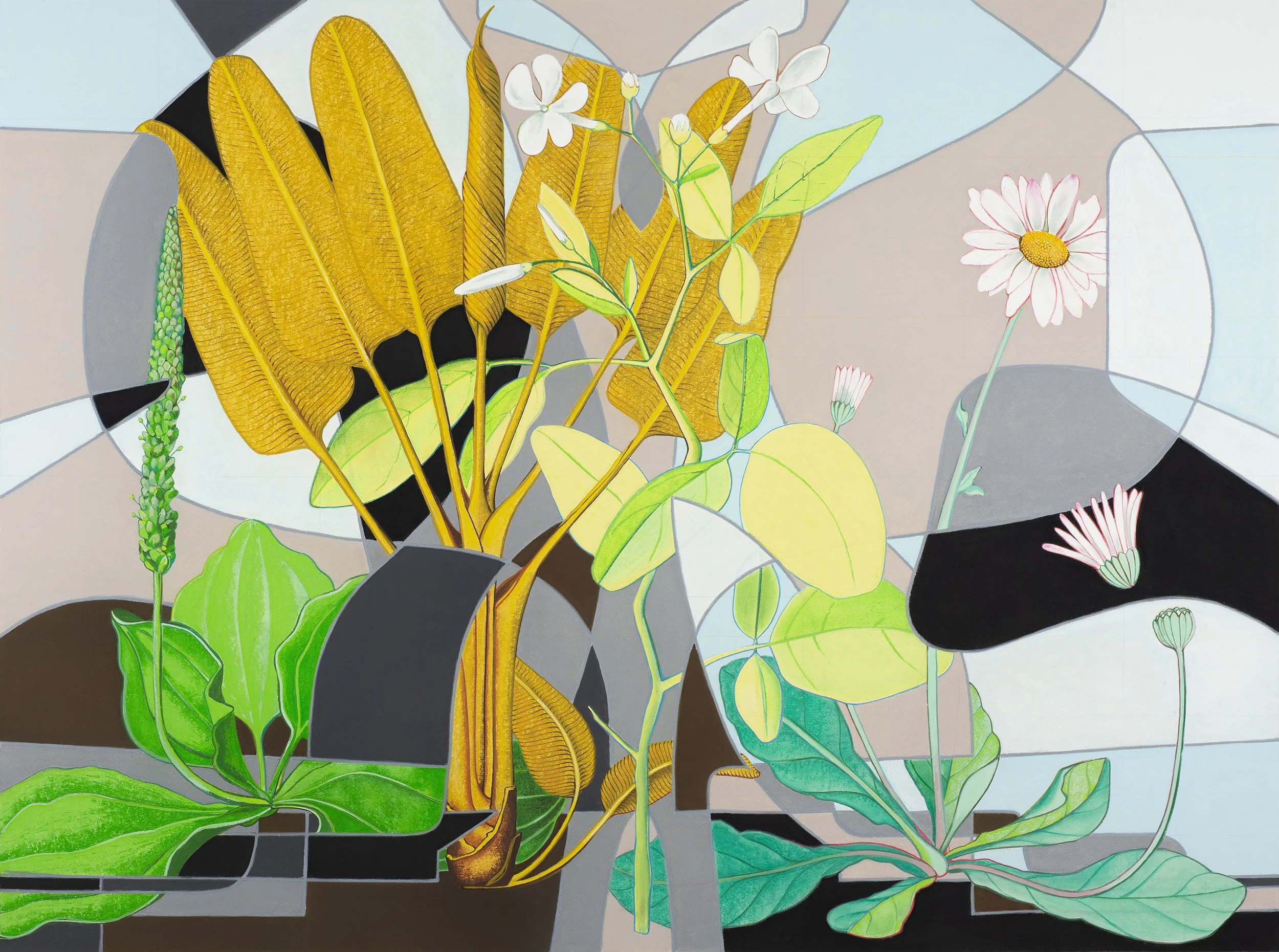
For his abstract depictions of nature, the Milanese artist Giovanni Frangi draws on the Raphael Gallery the historic printmaking technique of aquatint etchings on zinc. Peter Böhnisch, on the other hand, chooses sand and fused alumina as his raw materials: using pigments on MDF, he creates alluring, enigmatic scenes and portraits, which are on display at Galerie Monica Ruppert . The Dutch artist Hilde Trip turns entirely to natural materials: at Schlieder Contemporary , she transforms botanical fragments and peacock feathers into meditative material compositions. Finally, Simon Halfmeyer’s works—which emerge from color-coated aluminum objects—navigate the realms of botany, architecture, drawing, and painting and are on view at Arte Giani Westend .